What an invoice does
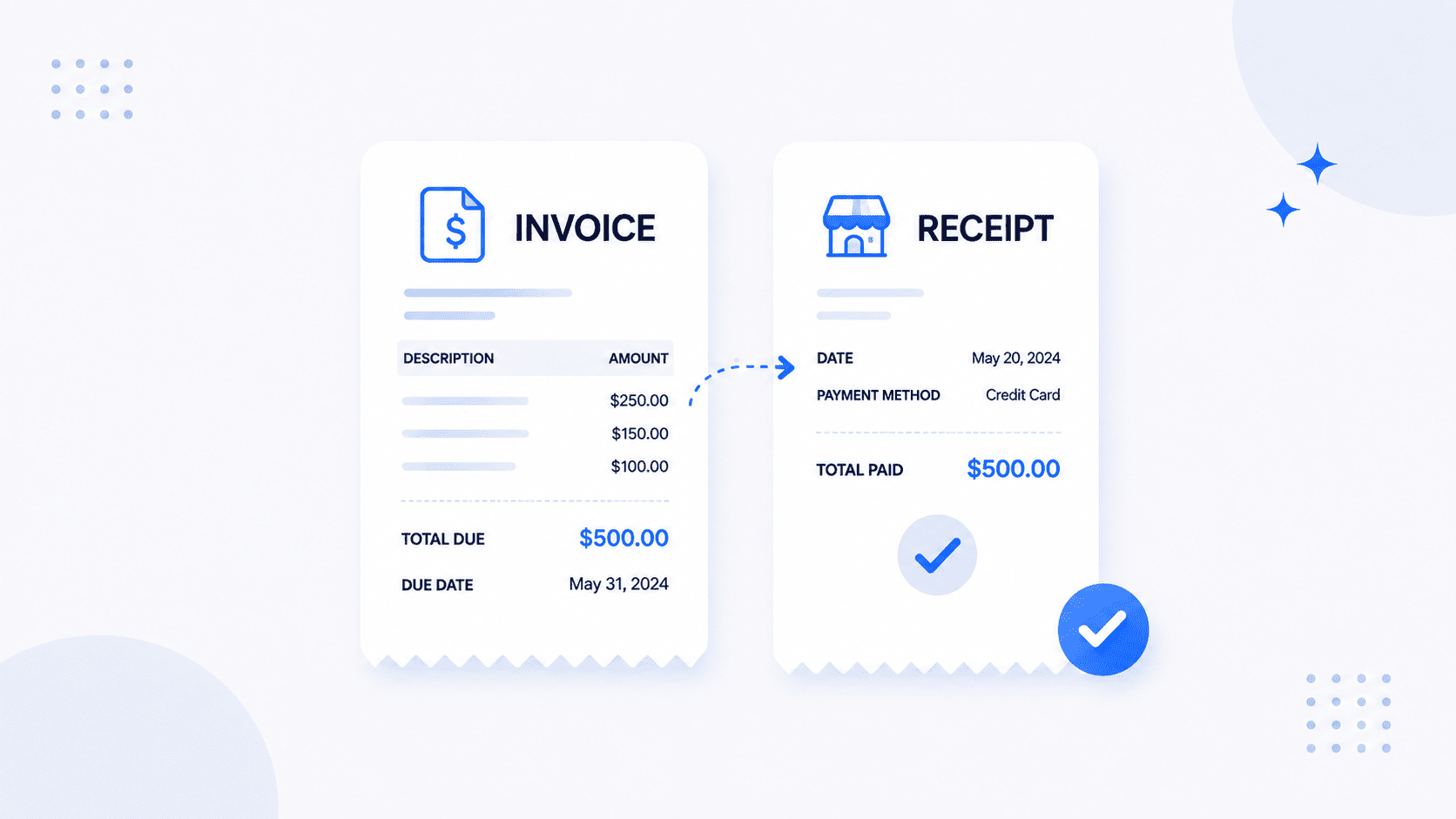
An invoice is a first part of this payment transaction flow. It is issued by a business when the payment is expected later than on the spot. It is a normal process anywhere work gets done before money is transferred and shows what was sold, what the customer owes for these goods or services that were provided and when payment is due.
As an example we can say you hire a plumber to fix a leaking pipe. Probably, you’ll get an invoice once the job is finished, not in advance. The same applies to many more professions. A marketing consultant might send an invoice at the end of every month, and a law firm bills after the legal work is done. In each case, the invoice exists before any money transfer was made. So it is safe to say the invoice is a request, not a record.
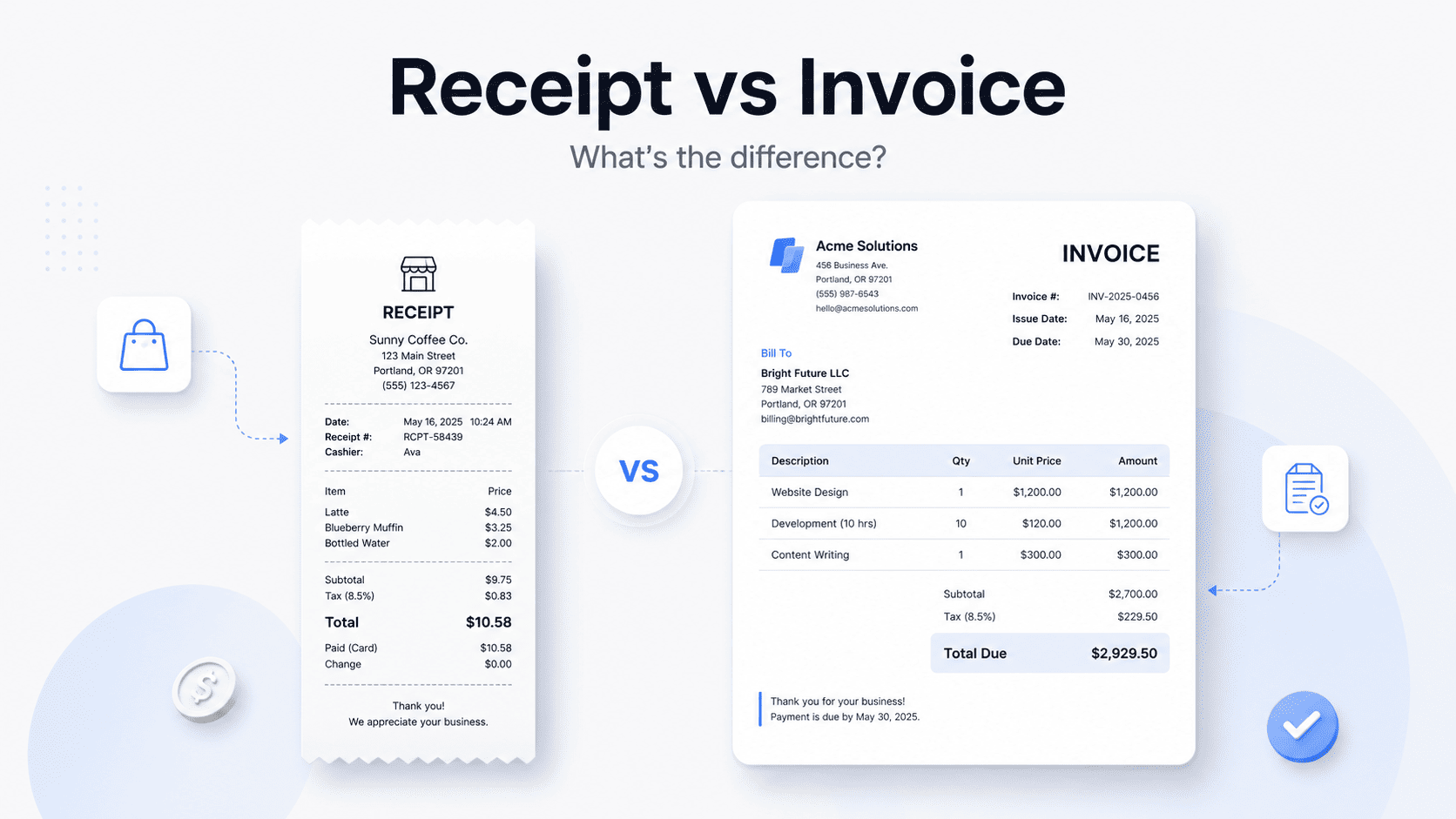
A typical invoice has the basics - seller details, customer info, invoice number, dates, a breakdown of what's being charged, and when it's due. The most important thing to remember - the invoice never shows if the payment was actually made. It shows the expectation of the upcoming payment, not a proof of it.
What a receipt does
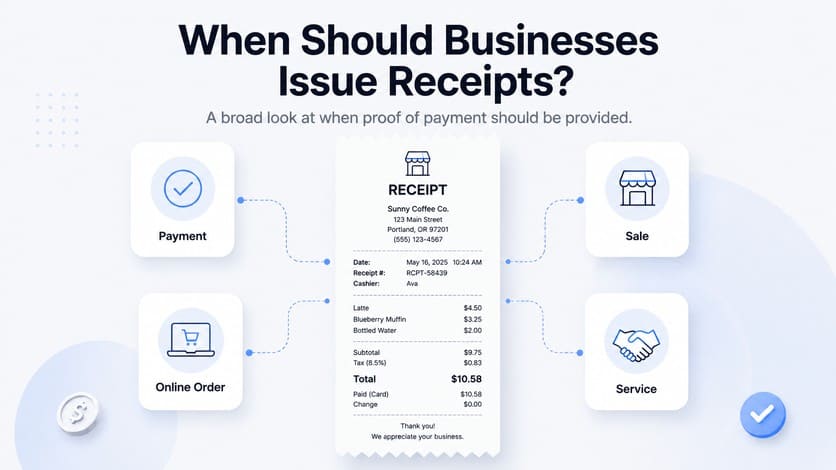
The receipt is a record that appears after the payment. If you buy something in the mall, renew a software subscription, or order some supplies online - after the transaction you will get your receipt. The receipt does not ask for the money, it is proof that transactions have happened.
For business those records are important and worth keeping because it can help to track any payment that company made even years later. Each receipt is an official documentation of what was bought, when the transaction was made and how much was paid. The receipt is the evidence behind a company's financial history and is used as a proof if the question “did this actually happen?” arises by checking numbers in the books.
Why the difference is worth getting right
Let's say a contractor sends you an invoice for $5,400. It shows that services were provided and now you are requested to pay this amount. After some time you pay as the invoice requests but don’t get the receipt. Half a year later you have no record of making that payment. The contractor can only show the invoice that was issued, but that's it. What should have been a quick and simple thing to resolve becomes a serious dispute, because the one document that could have solved it in minutes was never made.
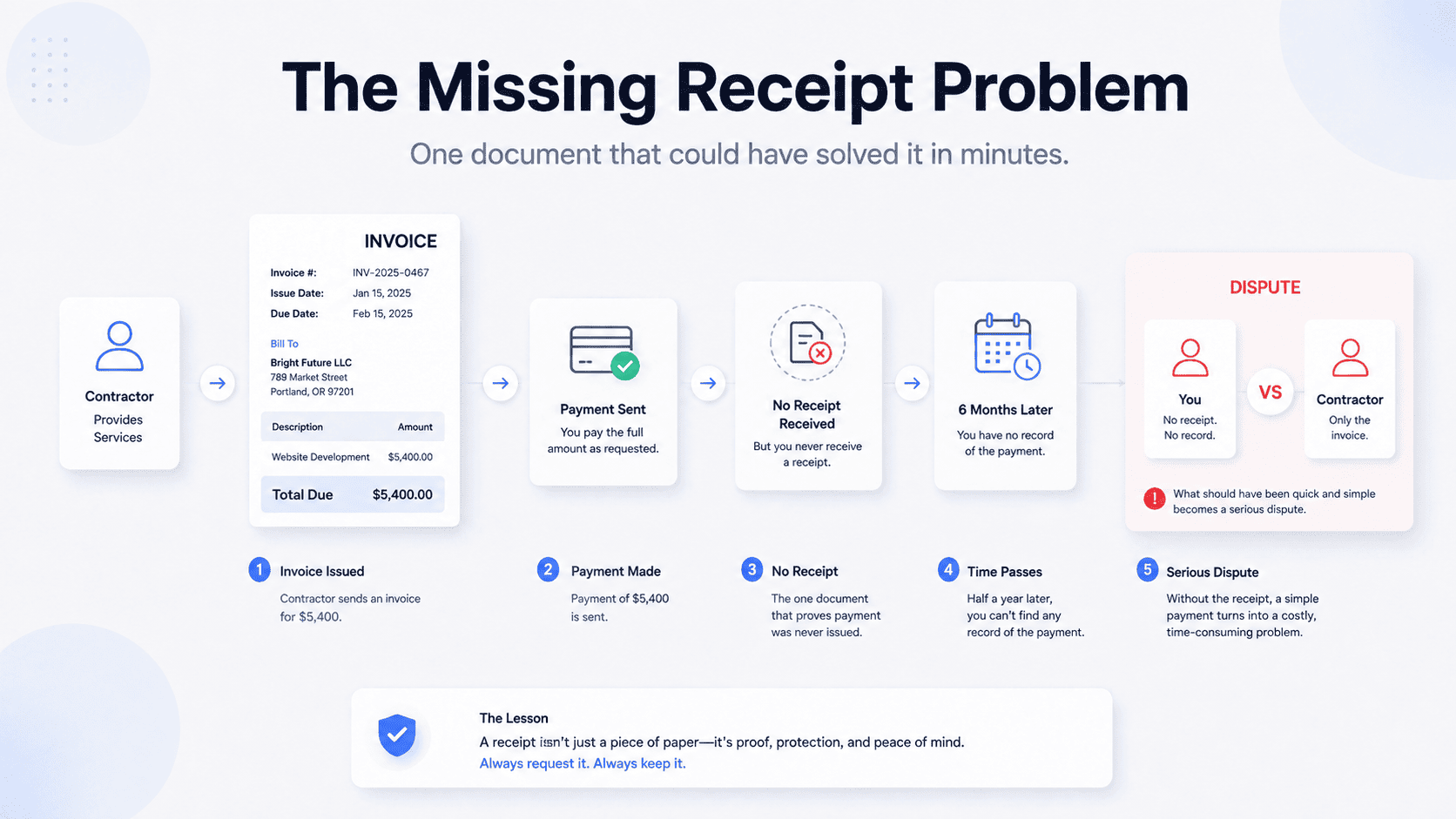
If it happens once, probably nothing will happen, but if it becomes the habit of business, that will have consequences for sure, especially when a business needs to verify a payment, review old records, or explain a transaction that happened months or even years ago.
Whether a business needs both
Short answer - usually, yes. The exception is businesses that collect payment immediately - a convenience store or coffee shop has no reason to invoice anyone. The customer pays immediately after he buys something and walks out with a receipt. For service businesses, freelancers and many B2B companies, both invoices and receipts help create a complete record of the transaction.
Records and taxes
Tax time is where these differences really start to matter. As a general rule, hold onto receipts and supporting records for at least three years after you file, which is the standard window the IRS has to audit a return. A couple of situations which might extend this period: six years if you underreported your gross income by more than 25%, and seven years if you wrote off a bad debt or a worthless security.
If you are deducting equipment, software, travel, or professional services from your taxes, the receipt is what proves these expenses actually happened. Invoices also help here, they show when the services were provided and how the revenue came in. But when an audit happens, the main question is rarely about whether the transaction took place. It is about whether you can prove it did.
The IRS has clear and strict rules about this - businesses and freelancers have to keep records of everything they report. Purchases, sales, payroll, expenses - every transaction made has to be transparent and trackable. If your files are organized you can answer any question they can ask you. If they are not, then unnecessary problems might and eventually will appear. Being caught guessing during a financial audit is the last situation you want to find yourself in.
Digital records
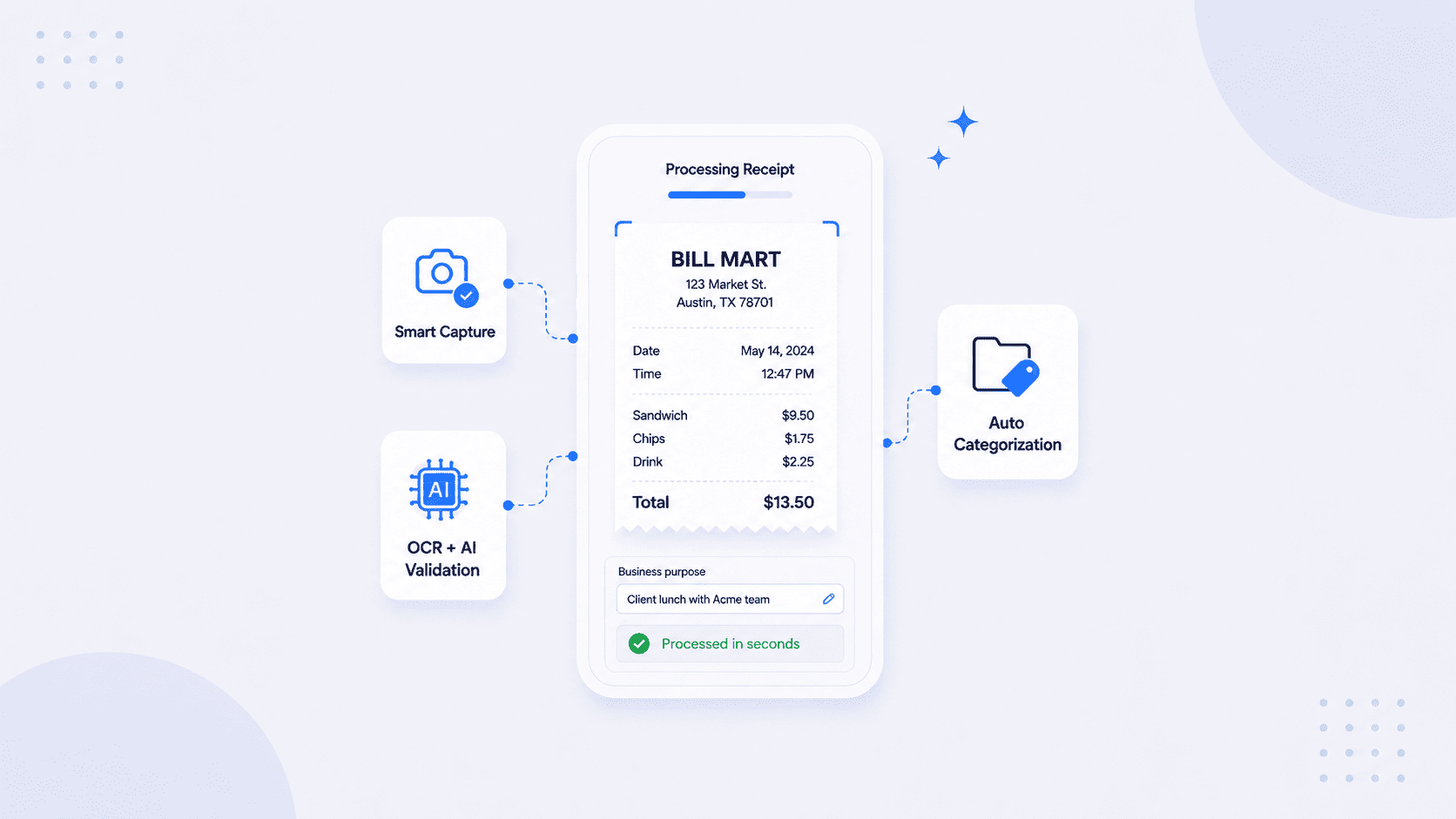
To have these records in digital form is also fine. The IRS has accepted electronic records for decades, so a scanned receipt, a PDF emailed at checkout, or a clear phone photo all qualify as long as they're clear and good quality.
Important thing to remember: if you are keeping a digital record, there has to be a dedicated folder, an accounting app, or expense software where it could be held in a retrievable way.
An invoice and a receipt document different parts of the same transaction. Keeping both - provides clear and easy information if verification is needed even years after.